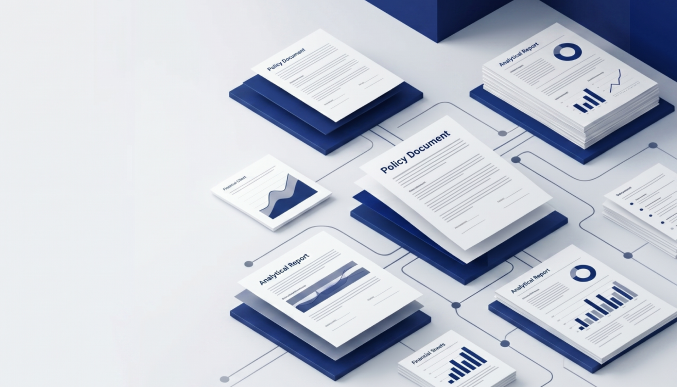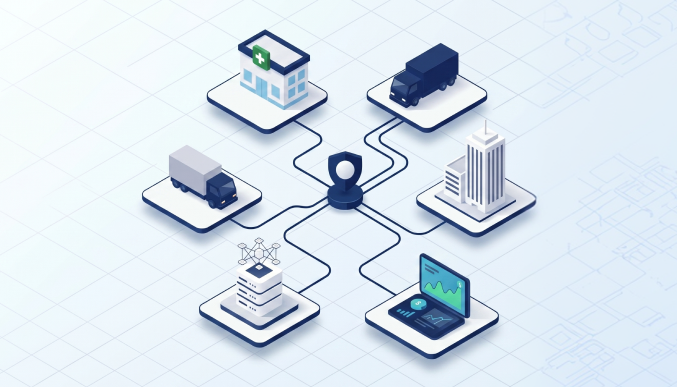
If the principles of insurance are its constitution, and the ecosystem is its government, then the types of insurance are its citizens: diverse, specialised, and each serving a distinct purpose in the fabric of modern life.
In Blog 1 of this series, we explored the foundational principles that govern all insurance. In Blog 2, we traced the ecosystem through which risk and capital flow. Now we turn to the question that most people encounter first: what kinds of insurance actually exist, and which ones matter to me?
The answer is more expansive than most people imagine. Insurance has evolved from a handful of marine and fire policies in 17th century London to a vast landscape of products covering virtually every conceivable risk, from the mundane (a cracked mobile phone screen) to the extraordinary (a satellite launch failure). In this instalment, we will map that landscape comprehensively, and then examine the technologies that are fundamentally transforming how insurance is underwritten, distributed, and claimed.
A Note on the ASEAN Context
For readers in Southeast Asia, one important observation before we begin. The insurance market across ASEAN is heavily skewed towards life insurance, driven by ageing populations, the rise of the middle class, and the sheer dominance of the life insurance agency channel. Across markets like Malaysia, Thailand, Indonesia, and the Philippines, it is the life insurance agent, not the bank or the broker, who has historically been the primary engine of insurance distribution. The agency force in these markets is vast, deeply embedded in local communities, and remarkably effective at selling life and savings products.
This creates a significant blind spot regarding general insurance and specialty lines. Many businesses and professionals in the region are underinsured or entirely uninsured for risks that are routinely covered in more mature markets. Understanding the full taxonomy of insurance products is therefore not just an academic exercise for ASEAN readers. It is a commercial imperative.
Part One: The Two Kingdoms of Insurance
The insurance world is divided into two broad kingdoms: Life Insurance and General Insurance (also called Non-Life Insurance or Property and Casualty Insurance, depending on the jurisdiction). Every insurance product in existence falls into one of these two categories.
Life Insurance
Life insurance provides financial protection against risks related to human life: death, disability, critical illness, and longevity (the risk of outliving your savings). It is fundamentally a long term product, with policies often spanning decades.
I have a personal connection to this category. My career in the insurance universe began as a life insurance agent. It was in those early years, sitting across cafes and explaining the value of term life policies to young families, that I learnt the most fundamental lesson of our industry: insurance is not sold on spreadsheets. It is sold on trust. The discipline of understanding a client's needs, explaining complex products in simple language, and delivering on promises when it matters most, these are skills I carried with me as I moved into general insurance, specialty lines, and eventually into building JA Assure Group. Every insurance professional, regardless of where they end up in the ecosystem, benefits from starting at the front line of distribution.
Term Life Insurance
The simplest and most affordable form of life insurance. Term life provides coverage for a specified period (the "term"), typically 10, 20, or 30 years. If the insured dies during the term, the beneficiaries receive a lump sum payout. If the insured survives the term, the policy expires with no payout. There is no savings or investment component. It is pure protection, and for most families, it is the most important financial product they will ever own.
Whole Life Insurance
Unlike term life, whole life insurance provides coverage for the insured's entire lifetime and includes a savings component known as the cash value. A portion of each premium is invested by the insurer, and the cash value grows over time on a tax-deferred basis. The policyholder can borrow against this cash value or surrender the policy for its accumulated value. Whole life premiums are significantly higher than term life because the insurer guarantees both a death benefit and a savings return.

Endowment Plans
Popular across Asia, endowment plans combine life insurance with a savings or investment objective. The policyholder pays premiums for a fixed period, and at the end of that period (the maturity date), they receive a lump sum regardless of whether a claim has occurred. If the insured dies before maturity, the beneficiaries receive the sum assured. Endowments are frequently used for education planning, retirement savings, and wealth accumulation.
Annuities
Annuities address the opposite risk to life insurance: instead of protecting against dying too soon, they protect against living too long. An annuity converts a lump sum into a guaranteed stream of income for life (or for a specified period). As populations age across Asia and Europe, annuities are becoming increasingly important as a tool for retirement income security.
Critical Illness and Disability Insurance
These products pay a lump sum or regular income if the insured is diagnosed with a specified critical illness (such as cancer, heart attack, or stroke) or becomes unable to work due to disability. They bridge the gap between health insurance (which covers medical bills) and life insurance (which pays on death), protecting the insured's income and lifestyle during a period of incapacity.
General Insurance (Non-Life / Property and Casualty)
General insurance covers everything that is not related to human life. It is typically short term (annual policies) and operates strictly on the principle of indemnity: restoring the insured to their financial position before the loss.
The range of general insurance products is staggering. Let us walk through the major classes.
Property Insurance
Protects physical assets against damage or destruction. This includes fire insurance, which covers buildings and contents against fire, lightning, explosion, and related perils. It includes industrial all risks policies for factories and warehouses. It includes homeowner's insurance, which bundles property damage with personal liability. And it includes business interruption insurance, which compensates for lost income when a business cannot operate due to insured property damage.
The distinction between named perils policies (which only cover risks specifically listed) and all risks policies (which cover everything except what is specifically excluded) is one of the most important concepts for commercial buyers to understand.
Motor Insurance
One of the most widely purchased forms of insurance globally, motor insurance is mandatory in most jurisdictions. It typically comes in three tiers: third party only (covering your liability to others), third party fire and theft (adding protection for your own vehicle against fire and theft), and comprehensive (covering damage to your own vehicle from any cause, including accidents). Motor insurance is also one of the most data intensive classes, which is why it has been at the forefront of technology adoption through telematics and usage based pricing.
Marine Insurance
One of the oldest forms of insurance, marine coverage protects goods in transit (cargo insurance), the vessels themselves (hull and machinery insurance), and the liability of shipowners to third parties (protection and indemnity, or P&I insurance). Marine insurance is governed by its own body of law, including the Marine Insurance Act 1906 in the UK, and operates with unique principles such as the doctrine of constructive total loss. It remains one of the core classes written at Lloyd's of London.
Liability Insurance
Liability insurance protects the insured against claims made by third parties for bodily injury or property damage. This is an enormously broad class that includes public liability (claims from members of the public), product liability (claims arising from defective products), employers' liability (claims from employees injured at work), and professional indemnity (claims arising from professional negligence or errors and omissions).
As societies become more litigious, liability insurance is growing in importance across every sector.
Health Insurance
Health insurance covers medical expenses incurred by the insured, including hospitalisation, surgery, outpatient treatment, and prescription medication. It can be purchased individually or provided by employers as a group benefit. In many Asian markets, the distinction between health insurance (which reimburses medical costs) and medical indemnity insurance (which protects healthcare professionals against malpractice claims) is frequently misunderstood. They serve entirely different purposes: one protects the patient, the other protects the provider.
Travel Insurance
Covers risks associated with travel, including trip cancellation, medical emergencies abroad, lost luggage, and flight delays. Travel insurance has been one of the fastest growing segments in embedded insurance, sold at the point of booking through airlines, online travel agents, and booking platforms.
The Specialty Lines: Where Expertise Meets Complexity
Beyond the standard classes lies the world of specialty insurance, where risks are too complex, unusual, or large for conventional insurers to handle. This is the domain of Lloyd's syndicates, specialist MGAs, and Coverholders like JA Assure Group.
Professional Indemnity / Errors and Omissions
Protects professionals against claims arising from their professional advice or services. Doctors, lawyers, architects, engineers, accountants, and consultants all face the risk that a client will allege their work caused financial loss or harm. Professional indemnity insurance covers the cost of defending such claims and any resulting damages or settlements. DoctorShield, our medical indemnity product, is a specialised form of professional indemnity tailored specifically for healthcare practitioners. We will explore medical malpractice insurance in depth in Blog 4.
Jewellers Block Insurance
A highly specialised form of all risks coverage designed specifically for the jewellery trade. Jewellers Block insures stock in trade (loose stones, finished jewellery, precious metals, watches) against virtually all risks of physical loss or damage, whether the stock is on the insured's premises, in transit, at exhibitions, in the hands of sales representatives, or held by third parties for repair or consignment. JADE, our jewellers block platform, manages this class across Southeast Asia. We will examine Jewellers Block in detail in Blog 5.
Cyber Insurance
One of the newest and fastest growing specialty classes, cyber insurance protects businesses against losses arising from data breaches, ransomware attacks, business interruption caused by cyber events, regulatory fines, and the cost of crisis management and notification. As digital transformation accelerates across every industry, and as regulatory frameworks like the PDPA in Singapore and Malaysia's PDPA impose stricter data protection obligations, cyber insurance is transitioning from a niche product to an essential component of every organisation's risk management framework.
Directors and Officers (D&O) Insurance
Protects the personal assets of company directors and officers if they are sued for alleged wrongful acts in their capacity as leaders of the organisation. Claims can come from shareholders, regulators, employees, creditors, or competitors. D&O insurance covers legal defence costs and any resulting settlements or judgments. In an era of increased regulatory scrutiny and shareholder activism, D&O coverage has become a critical tool for attracting and retaining senior leadership talent.
Trade Credit Insurance
Protects businesses against the risk that their customers will not pay for goods or services delivered. This is particularly important in international trade, where the buyer and seller may be in different countries with different legal systems and economic conditions. Trade credit insurance enables businesses to extend payment terms to customers with confidence, knowing that if the customer defaults or becomes insolvent, the insurer will cover a substantial portion of the loss.
Aviation and Aerospace Insurance
Covers aircraft, airports, satellite launches, and the associated liability exposures. Aviation insurance is one of the most capital intensive specialty classes due to the catastrophic nature of potential losses. A single aircraft accident can generate claims in the hundreds of millions. Satellite launch insurance, where a single launch can be insured for $200 million or more, is one of the most dramatic examples of Lloyd's capacity at work.
The Insurance Landscape at a Glance
| Category | Major Classes | Key Characteristics |
|---|---|---|
| Life Insurance | Term Life, Whole Life, Endowment, Annuities, Critical Illness, Disability | Long term, benefit based (not indemnity), regulated separately in most jurisdictions |
| Personal Lines | Motor, Home, Travel, Health, Personal Accident | High volume, standardised products, price sensitive, digital distribution growing |
| Commercial Lines | Property, Liability, Business Interruption, Marine, Employers Liability | Broker driven, customised wordings, annual renewals, relationship intensive |
| Specialty Lines | Medical Malpractice, Jewellers Block, Cyber, D&O, Aviation, Political Risk, Surety | Expert underwriting, Lloyd's and MGA driven, complex wordings, high severity |
| Reinsurance | Treaty (Quota Share, Surplus), Facultative, Excess of Loss, Cat Bonds, ILS | Institutional, capital markets convergence, systemic risk management |
Political Risk and Terrorism Insurance
Protects businesses operating in volatile regions against losses caused by political events such as expropriation, currency inconvertibility, political violence, and contract frustration by government action. Terrorism insurance, which became a distinct product class after September 11, 2001, covers losses arising from acts of terrorism that may be excluded from standard property policies.
Surety and Guarantee
Surety bonds and guarantee insurance provide financial assurance that contractual obligations will be fulfilled. In construction, for example, a performance bond guarantees that the contractor will complete the project according to the contract terms. If the contractor defaults, the surety company steps in to ensure the project is completed or compensates the project owner for the loss.
The Commoditisation Challenge and the Specialty Advantage
Why General Insurance is Under Pressure
Before we turn to technology, it is important to understand the commercial forces that are making technology adoption not merely desirable but existential for parts of the industry.
General insurance markets, particularly personal lines and standardised commercial products, have increasingly experienced price compression, product standardisation, and aggregator driven distribution. When a consumer can compare motor insurance quotes from twenty insurers in thirty seconds on a comparison website, the product becomes a commodity. Differentiation collapses. Margins tighten. And the only sustainable path to profitability is underwriting discipline: accepting the right risks at the right price and declining the rest.
This commoditisation pressure is the primary driver behind the industry's technology investment. Insurers are not adopting AI, telematics, and predictive analytics because the technology is fashionable. They are adopting it because, in a commoditised market, the ability to select and price risk more accurately than your competitors is the difference between solvency and failure.
The Structural Advantage of Specialty Lines
Specialty insurance operates in a fundamentally different competitive environment. Lines such as medical malpractice, jewellers block, specie, and political violence and terrorism insurance are expertise driven, relationship anchored, and significantly less price sensitive than personal lines.
A jeweller choosing a Jewellers Block insurer is not comparing prices on an aggregator website. They are evaluating whether the insurer understands the specific risks of their trade: the security protocols required for loose stone handling, the valuation complexities of antique pieces, the transit exposures of trade exhibitions, and the claims experience of the adjusters who will manage a loss.
A doctor choosing medical indemnity coverage is not shopping for the lowest premium. They are looking for a provider who understands the medico legal landscape, who can triage a malpractice allegation with competence and sensitivity, and who has the underwriting panel to provide continuity of cover as their career evolves.
In specialty lines, the competitive moat is not price. It is knowledge, operational integration, and the quality of the claims experience. This is precisely where vertically integrated specialist ecosystems, firms that combine distribution, underwriting discipline, data intelligence, and claims governance within a single focused operation, hold a structural advantage over generalist competitors.
This is the model that JA Assure Group has built: DoctorShield for medical indemnity, JADE for jewellers block, and Jaguar Transit for high valuables transit. Each platform is a vertically focused ecosystem where the underwriting assumptions are reinforced by operational controls, where proprietary data from the specific industry improves risk selection over time, and where claims handling is embedded within the same team that underwrote the risk. It is a model built on structure over volume, and governance over scale.
Part Two: The Technologies Reshaping Insurance
The types of insurance may be centuries old, but the way they are underwritten, distributed, and claimed is undergoing the most profound transformation in the industry's history. A critical distinction must be made at the outset: technology is an underwriting amplifier, not an underwriting replacement. It enhances human judgement but does not substitute for it. The best technology in the world cannot replace an experienced underwriter's ability to assess character, evaluate risk management culture, or structure a bespoke solution for a complex client. What technology does is handle the data processing, pattern recognition, and administrative burden at scale, freeing human expertise to focus on the decisions that truly matter.
Let us examine the three core functions of insurance and how technology is reshaping each.
Technology in Underwriting
Underwriting has traditionally been a manual, paper intensive process. A broker submits a risk, an underwriter reviews the information, consults historical data, applies judgement, and makes a decision. For complex risks, this process could take days or weeks. Technology is compressing that timeline dramatically.
Artificial Intelligence and Machine Learning
AI and machine learning models can analyse vast quantities of data to assess risk in ways that human underwriters alone cannot. In property insurance, AI can process satellite imagery to assess building conditions, flood exposure, and proximity to hazards. In health insurance, machine learning algorithms can analyse medical records and claims data to predict risk with greater accuracy. In marine insurance, AI models can track vessel movements in real time, flagging risks such as deviation from planned routes or entry into sanctioned waters.
The critical point is that AI does not replace underwriters. It augments them. It handles the data processing and pattern recognition at scale, freeing human underwriters to focus on the complex judgement calls, the relationship management, and the structuring of bespoke solutions that machines cannot replicate. The best underwriting operations of the future will be those that combine algorithmic speed with human expertise.
Predictive Analytics, Risk Scoring, and Automated Data Cleansing
Predictive analytics takes historical data and uses it to forecast future outcomes. In motor insurance, this has evolved into sophisticated risk scoring models that consider hundreds of variables (driving history, vehicle type, credit score, mileage patterns) to produce a risk score for each applicant. In commercial lines, predictive models can assess the likelihood of a business experiencing a specific type of loss based on industry benchmarks, financial indicators, and operational data.
One of the most practical applications of AI in underwriting is automated data cleansing. Commercial insurance submissions often arrive as messy, incomplete spreadsheets. A Property Statement of Values might contain inconsistent formats, missing fields, and conflicting data. New AI tools can automatically ingest these files, identify and fix inconsistencies, populate missing information using external data sources, and present the underwriter with a clean, structured dataset. This means underwriters can price risk based on actual, verified data rather than educated guesswork, significantly improving the accuracy of the underwriting decision.
Telematics and IoT (Internet of Things)
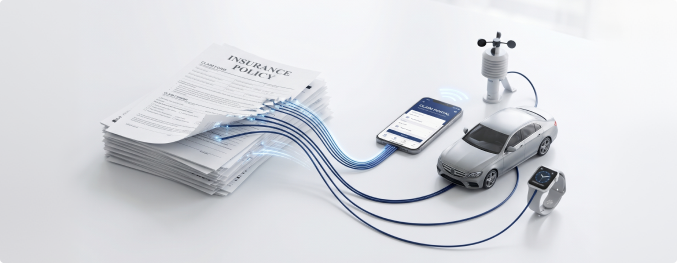
Telematics devices in vehicles transmit real-time data on driving behaviour: speed, braking patterns, cornering, time of day, and distance driven. This data enables usage-based insurance (UBI), where premiums are calculated based on how you actually drive rather than on statistical proxies like age and postal code. The result is fairer pricing and, studies consistently show, safer driving behaviour.
The Internet of Things extends this concept beyond vehicles. Smart sensors in commercial buildings can detect water leaks, fire risks, and structural anomalies before they become claims. Wearable devices can monitor health metrics for life and health insurance. Connected jewellery safes can provide real-time security data for jewellers block underwriting. The shift from retrospective risk assessment to real-time, continuous risk monitoring is one of the most significant developments in the history of insurance.
Parametric Insurance
Traditional insurance pays claims based on the actual loss suffered, which requires investigation, adjustment, and often negotiation. Parametric insurance takes a fundamentally different approach: it pays a predetermined amount when a specific, measurable trigger event occurs, regardless of the actual loss.
For example, a parametric crop insurance policy might pay $100,000 if rainfall in a specified region drops below a defined threshold during the growing season. There is no need for a loss adjuster to visit every farm and assess individual crop damage. The trigger is measured by an independent data source (such as a weather station or satellite), and payment is automatic and immediate. Parametric insurance is transforming coverage for natural catastrophe risks, agricultural risks, and business interruption, particularly in developing markets where traditional claims adjustment infrastructure is limited.
Technology in Distribution
We touched on digital distribution in Blog 2, but the technology dimension deserves deeper examination.
API-Driven Distribution and Embedded Insurance
Application Programming Interfaces (APIs) are the backbone of modern insurance distribution. An API allows any digital platform (an e-commerce site, a ride-hailing app, a travel booking engine, a fintech wallet) to integrate insurance products directly into its customer journey. The user does not need to visit a separate insurance website or speak to an agent. The offer, quote, purchase, and policy issuance happen seamlessly within the host platform.
This API-driven model is what makes embedded insurance possible at scale. When you purchase a mobile phone on Lazada or Shopee and are offered screen protection insurance at checkout, that product was integrated via API. When you book a ride on Grab and the app offers personal accident coverage for the trip, that too is an API integration. The insurance is contextually relevant, instantly available, and frictionless. This model is projected to represent a significant share of global premium income within the next decade.
Case Study: Jaguar Transit
A prime example of embedded insurance in action is Jaguar Transit, one of JA Assure Group's own InsurTech platforms. Historically, securing High Valuables Single Transit insurance for a specific shipment was a friction-heavy process involving brokers, manual declarations, and paperwork that often lagged behind the actual movement of goods. By the time the policy was issued, the cargo might already be halfway to its destination.
Jaguar Transit fundamentally changes this by embedding the insurance logic directly into the logistics workflow. By leveraging real-time data, it allows businesses to secure coverage for goods instantly at the point of shipment. The insurance is triggered by the shipment event itself, eliminating the gap between moving an asset and protecting it. This is not just a faster transaction. It is a fundamental shift in how transit risk is managed, effectively embedding risk transfer into the supply chain itself.
This model demonstrates where the industry is heading: insurance that is invisible, automatic, and contextually embedded in the activities that create risk, rather than purchased separately after the fact. But the implications go deeper than convenience. When logistics protocols, risk data capture, and claims handling all operate within a unified ecosystem, something powerful happens: moral hazard reduces and transparency improves. The operational controls that the insured follows (GPS tracking, secure handover protocols, documented chain of custody) are the same controls that the underwriter relies upon. The interests of insurer and insured become structurally aligned, not merely contractually aligned. This is the future of embedded insurance: not just faster distribution, but fundamentally better risk management.
Digital Platforms and Comparison Engines
Online comparison platforms have fundamentally shifted the power dynamic in personal lines insurance. Consumers can now compare dozens of quotes in seconds, making the market far more transparent and price competitive. For insurers, this means that product differentiation, brand trust, and claims service quality have become more important than ever, because price alone is no longer a sustainable competitive advantage when every competitor's quote is displayed on the same screen.
The ASEAN Digital Leap
Southeast Asia presents a particularly fascinating case study in digital insurance distribution. The region is experiencing a "leapfrog" effect where consumers and regulators are bypassing traditional insurance models entirely in favour of digital first solutions.
In Malaysia, the regulator Bank Negara Malaysia has introduced the Digital Insurer and Takaful Operator (DITO) licensing framework, creating a specific regulatory pathway for fully digital insurers to enter the market. This is not merely allowing existing insurers to sell online. It is licensing an entirely new category of technology native insurance companies built from the ground up for digital distribution, digital underwriting, and digital claims.
Across the region, the combination of high smartphone penetration, young populations, and relatively low general insurance penetration is creating fertile ground for digital adoption. The traditional agency force, which has long dominated ASEAN insurance distribution, is increasingly being complemented by digital tools that empower agents with mobile quoting, e submission, and digital policy issuance. Meanwhile, bancassurance and direct digital channels are growing as secondary distribution models, particularly for standardised products. The result is a market in transition, where the agent remains central but the tools surrounding them are evolving rapidly.

Blockchain and Smart Contracts
Blockchain technology has the potential to transform insurance distribution and administration by creating transparent, immutable records of policies and claims. Smart contracts can automate policy issuance, premium collection, and even claims payment when predefined conditions are met, eliminating manual processing and reducing the potential for disputes.
While adoption remains in early stages, pilot programmes in marine insurance (tracking cargo provenance), parametric insurance (automating trigger based payments), and reinsurance (streamlining treaty administration) are demonstrating real world value. The Lloyd's market has been actively exploring blockchain applications through its Lloyd's Lab innovation accelerator.
Technology in Claims Management
Claims is where the insurance promise is delivered or broken. Technology is making this process faster, fairer, and more transparent.
AI Powered Claims Triage and Assessment
When a claim is submitted, AI can instantly assess the documentation, cross reference it against policy terms, flag inconsistencies, and route the claim to the appropriate handler based on complexity and value. Simple claims (a lost piece of luggage, a minor motor accident with clear liability) can be assessed and paid within hours or even minutes, without human intervention.
For complex claims, AI assists rather than replaces human adjusters. It can analyse photographs of property damage to estimate repair costs, review medical records to assess injury claims, and identify patterns that suggest fraud. The combination of AI speed with human judgement produces faster, more consistent outcomes.
Computer Vision and Drone Technology
Computer vision algorithms can analyse photographs and video to assess damage. After a natural catastrophe, drones can survey affected areas rapidly, capturing high resolution imagery that AI systems process to estimate damage across thousands of properties in hours rather than weeks. In motor insurance, customers can submit photographs of vehicle damage via a mobile app, and AI can generate a repair estimate in real time.
In the jewellery industry, computer vision is beginning to play a role in stock verification and valuation, comparing photographic records of insured items against claims submissions to verify authenticity and provenance. This is an area where JADE is exploring technological integration to enhance the claims process for jewellers block policyholders.
Fraud Detection
Insurance fraud costs the global industry tens of billions of dollars annually, and those costs are ultimately passed on to honest policyholders through higher premiums. AI and machine learning are transforming fraud detection by analysing claims data for patterns, anomalies, and networks of suspicious activity that human investigators would take months to identify.
Digital Claims Portals and Real Time Communication
Policyholders increasingly expect the same digital experience from their insurer that they receive from their bank or e commerce platform. Digital claims portals allow policyholders to submit claims online, upload documentation, track the progress of their claim in real time, and communicate with their adjuster through chat or messaging. This transparency reduces anxiety, improves satisfaction, and significantly lowers the administrative cost of claims handling.
The Convergence: InsurTech and the Future
The technologies we have discussed are not operating in isolation. They are converging to create an entirely new model of insurance that is predictive, preventive, personalised, and participatory.
- Predictive: AI and data analytics enable insurers to predict losses before they happen, shifting the industry from a reactive claims paying model to a proactive risk prevention model.
- Preventive: IoT sensors, telematics, and real time monitoring allow insurers to alert policyholders to emerging risks (a water leak, an unsafe driving pattern, a cyber vulnerability) before they become claims.
- Personalised: Granular data enables insurers to price risk at the individual level rather than relying on broad demographic categories. Premiums become a reflection of your actual risk profile, not your "type".
- Participatory: Policyholders who actively manage their risks (installing sensors, driving safely, maintaining strong cyber hygiene) are rewarded with lower premiums, creating a virtuous cycle of risk reduction that benefits everyone in the pool.
This convergence is not a distant future. It is happening now, and it is being driven by InsurTech firms, forward thinking incumbents, and ecosystem players like Coverholders and MGAs who are small enough to innovate but credible enough to operate within the regulatory frameworks of established markets like Lloyd's.
The Power of Vertical Data Intelligence
One of the most underappreciated dimensions of this convergence is the data advantage that specialist ecosystems accumulate over time. A generalist insurer writing across dozens of classes will have broad but shallow data. A vertically focused specialist, writing exclusively within a single industry, develops deep, structured datasets that reveal correlations invisible to generalists.
In jewellers block, for example, years of claims data can reveal correlations between specific operational controls (safe specifications, alarm systems, exhibition security protocols) and loss frequency. In medical indemnity, data can identify which specialisations, procedure types, or practice configurations carry elevated risk. This proprietary data intelligence, built over years of focused underwriting, becomes a compounding competitive advantage: each year's data improves the following year's risk selection, pricing accuracy, and claims forecasting. It is a flywheel that generalist competitors cannot easily replicate.
Looking Ahead: The Empowered Consumer
The convergence of assets and algorithms is fundamentally good news for the insurance buyer. It means lower costs, as automation reduces administrative overhead across the entire chain. It means better access, as embedded tools like Jaguar Transit make protection available exactly when and where it is needed. It means faster service, as AI driven claims processing gets money to policyholders in days rather than months. And it means fairer pricing, as granular data replaces blunt demographic categories.
The landscape of insurance is vast, ranging from a simple term life policy protecting a young family to a $200 million satellite launch programme underwritten across a dozen Lloyd's syndicates. What unites every product in this landscape is the same set of principles we explored in Blog 1 and the same ecosystem we mapped in Blog 2.
Technology is not changing what insurance does. It is transforming how insurance does it. The promise remains the same: to pool risk, to share the burden, and to make the policyholder whole when the unexpected happens. But the speed, accuracy, accessibility, and fairness with which that promise is delivered is improving at an unprecedented pace. The black box of insurance is opening up, and the future belongs to those who understand that insurance is no longer just a contract you sign. It is a digital service you experience.
The future of the industry will favour structure over volume, and governance over scale alone. The winners will not be the largest insurers or the cheapest products. They will be the specialists who combine underwriting discipline, embedded distribution, proprietary data intelligence, and claims excellence within vertically integrated ecosystems that are built to serve specific industries with depth and precision.
In the next instalment of this series, we will go deep into one of the most critical specialty lines: medical malpractice insurance. We will explore why doctors need it, what it covers, how claims are managed, and why DoctorShield was built to address the specific needs of healthcare professionals across Southeast Asia.


Disclaimer: The opinions expressed herein are solely those of the author in his personal capacity and do not reflect the views of JA Assure Group, Lloyd's of London, or any associated syndicate or partner.